Masks
Aug 12, 2026
⋮⋮ Program
- 12.05 Hangman of the day
- 12.10 Identity in context
- 12.20 Reading poems
- 12.30 We Wear the Mask
- 12.50 Break
- 13.05 Analysing poems
- Types of poems
- FLIRT-model
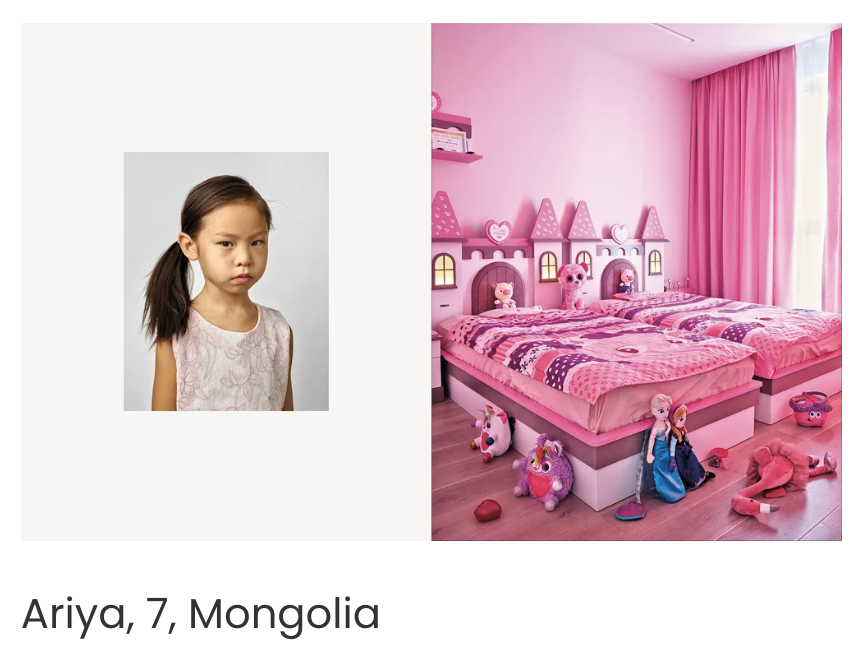
- 13.35 Where Children Sleep
- 14.05 Break
- 14.20 What Remains of Edith Finch?
- 15.00 Exit-ticket
Hangman of the day
word: paradoxical
hint: Term from last lesson
max: 6
word: multitudes
hint: Term from last lesson
max: 6word: metamorphosis
hint: Term from last lesson
max: 6Identity in context
- Fill out the “Identity in context”-handout. Feel free to discuss your answers with your neighbour.
Reading poems
- Read the poem out loud!
- Read it again.
- Revisit ambigous places, and look up difficult words.
- Summarise the plot.
We Wear the Mask
- Read the poem out loud!
- Read it again.
- Visit ambigous places, and look up difficult words.
- Summarise the plot.
Analysing poems
- Determine the type of poem
- Use the FLIRT-model to analyse the poem
- Always remember to give examples from the poem to substantiate your analysis.
Types of poems
- Didactic poems: clear message or moral; meant to teach or explain something directly.
Examples: “Do Not Stand at My Grave and Weep”, “Eternity”, “If—” - Dramatic monologue: an imagined speaker addresses a silent listener; often a persona poem.
Examples: “Maximus, to himself”, “Lady Lazarus” - Elegy: poem of mourning for someone who is dead; often moves from lament to praise to consolation.
Examples: “O Captain! My Captain!”, “The Haw Lantern” - Epic poems: long narrative poems with a heroic protagonist, legendary adventures, and historical or mythical importance.
Examples: Beowulf, The Cantos, Paradise Lost - Epigrams: very short poems, often witty or satirical, focused on a single thought or event.
Example: “Candy is dandy, but liquor is quicker” - Prose poems: written in prose form but read like poetry; often use repetition, symbols, and metaphors.
Example: “Of Memory and Distance” - Limericks: funny, light-hearted five-line poems with the rhyme scheme aabba.
- Sonnet: a 14-line poem, often about love, identity, or inner conflict, with a fixed rhyme scheme. Examples: “Sonnet 18”, “How Do I Love Thee?”
FLIRT-model
F — Form
- What structure does the poem have?
- Does the structure have a certain effect on the reader?
- Is there any correspondence between structure and content?
L — Language
- What language is used?
- Is the language emotive, persuasive, formal, informal etc.?
- Which sentence structures, verbs, adjectives, and adverbs are used, and with what effect?
I — Imagery and rhetorical devices
- Is there use of metaphors, similes, antithesis, onomatopoeia, allusion, repetition, or alliteration?
- What is the effect?
R — Rhyme/rhythm
- Does the poem rhyme?
- Which rhyme scheme is used, and what is the effect?
T — Theme
- Is there a message or theme in the poem?
- Where is it visible?
Where Children Sleep
- Look at and discuss Where Children Sleep
- What can we learn about the children based on their bedrooms?
- How does this inform their identity?
- Is this an expression of public or private identity?
- Is it an invasion of their privacy?
What Remains of Edith Finch
Exit-ticket
- Do the quick-write exercise on the handout.